Вести

What are the main types of low voltage switchgear?


Low-voltage switchgear refers to electrical devices used in power systems with AC rated voltages of 1000V and below and DC rated voltages of 1500V and below to perform the functions of making, breaking, protecting, controlling and isolating. They are widely used in industrial plants, commercial buildings, data centers, rail transit and civil power distribution, and are key components to ensure the safety of electricity and the reliable operation of the system. According to different functions and application scenarios, low-voltage switchgear can be mainly divided into the following categories.


1. Low voltage circuit breaker

The low-voltage circuit breaker is one of the core protection appliances in the low-voltage power distribution system and has both control and protection functions. It can manually or electrically open and close the circuit under normal circumstances, and can automatically cut off the circuit when short circuit, overload, undervoltage and other faults occur to prevent the accident from expanding.


Common types include:

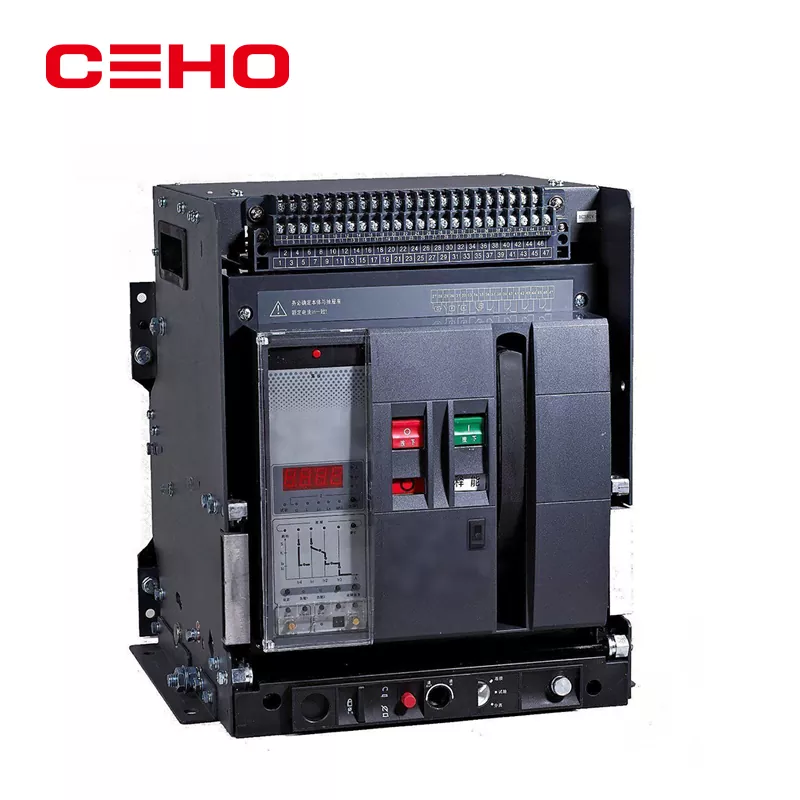
• Frame-type circuit breaker (ACB): has large rated current (usually above 630A) and high breaking capacity. It is mostly used in low-voltage incoming cabinets, busbar contact cabinets and large-capacity outlet circuits.

• Molded case circuit breaker (MCCB): compact structure, moderate cost, rated current generally between 10A and 1600A, widely used in power distribution and branch circuit protection.

• Miniature circuit breaker (MCB): Small in size and easy to install, it is commonly found in terminal distribution boxes and is used to protect small-capacity circuits such as lighting and sockets.

• Residual current operated circuit breaker (RCCB/RCBO): Based on the conventional circuit breaker, it adds leakage protection function and is used for personal electric shock protection and electrical fire prevention.


2. Isolating switches and isolators

The isolating switch is mainly used to form an obvious electrical disconnection point during inspection or maintenance to ensure the safety of personnel and equipment. It itself does not have the ability to interrupt load current, so it is strictly prohibited to operate with load.


• Knife switch: simple structure, often used for main circuit isolation in complete sets of switchgear.

• Fuse-type isolating switch: Combining a knife switch and a fuse can not only achieve isolation, but also have certain short-circuit protection capabilities.

• Load switch: Based on the isolating switch, it has a certain ability to make and break load current, and is suitable for occasions with infrequent operations.


In actual engineering, the isolating switch is often used in conjunction with the circuit breaker: the circuit breaker is responsible for fault protection, and the isolating switch is responsible for safe isolation.


3. Fuse

The fuse is a protective component with a simple structure and low price. It relies on the melt to heat and fuse under the action of overcurrent to cut off the circuit. It is mainly used for short circuit protection and severe overload protection.


• High breaking capacity fuses (HRC): capable of withstanding high short-circuit currents and commonly used in industrial power distribution systems.

• Semiconductor device protection fuse: specially designed for semiconductor components such as thyristors and rectifier diodes, with extremely fast fusing characteristics.

• Small fuse: mostly used for internal circuit protection of electronic equipment.


The advantage of the fuse is that it has strong current limiting effect and high reliability; the disadvantage is that it cannot be reused. After the fuse is blown, the melt needs to be replaced or the entire fuse needs to be replaced.


4. Contactors and relays

These two types of products are mainly responsible for "control" rather than directly undertaking high-power protection tasks, but they are indispensable in automation systems.

• AC contactor: It uses an electromagnetic mechanism to frequently connect and disconnect the main circuit. It is suitable for starting and stopping electric motors, switching of electric heating equipment, etc. It is often combined with a thermal relay to form an electromagnetic starter.

• DC contactor: used in DC control systems, such as electric vehicles, photovoltaic systems, etc.

• Intermediate relay: Mainly used for amplification, conversion and isolation of control signals. The contact capacity is small but the number is large.

• Time relay and thermal relay: realize delay control and overload protection functions respectively, and are important auxiliary components of the motor control loop.


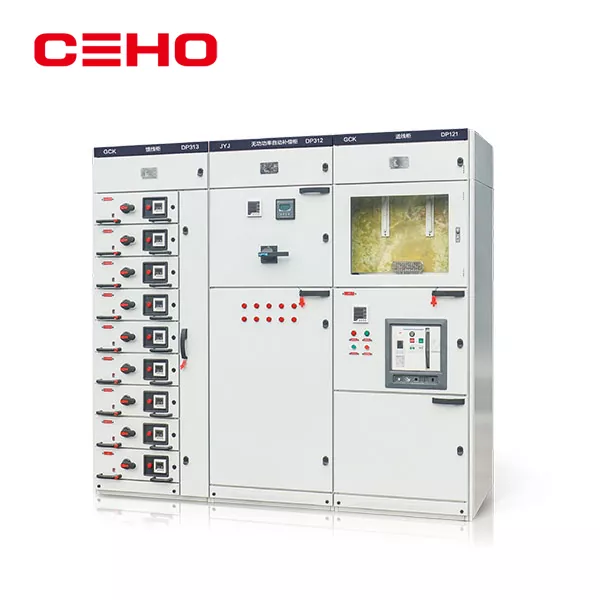
5. Low-voltage complete sets of switchgear

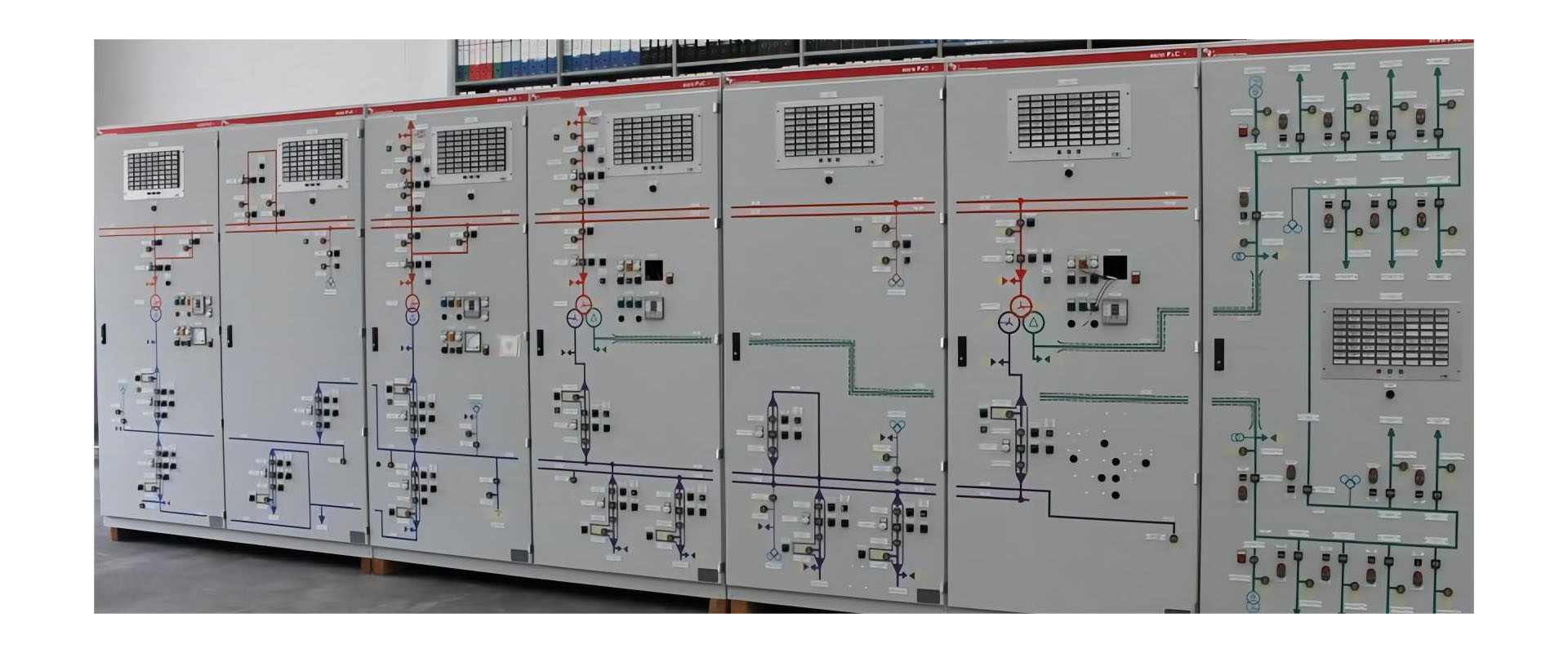
The above-mentioned individual components are often integrated and installed in a unified cabinet or box to form a complete set of low-voltage switchgear, which is convenient for on-site installation and maintenance.


• Fixed complete set of switch cabinets: such as the GGD type AC low-voltage distribution cabinet, which has a stable structure and is suitable for fixed locations.

• Drawer switch cabinet: such as MNS, GCK, GCS, etc. The functional unit adopts a drawer structure, which is easy to plug and pull out. It does not affect the operation of other circuits during maintenance. It is widely used in substations, industrial and mining enterprises.

• Distribution box (PZ30, etc.): mostly used for terminal power distribution, with miniature circuit breakers, leakage circuit breakers, etc. mainly installed inside.

The complete set of equipment emphasizes the integrity of the system, including busbar system, protection level, heat dissipation design, interlocking mechanism, etc., which are all items that need to be focused on when selecting.


6. Intelligent low-voltage switchgear

With the development of smart grid and industrial Internet of Things, low-voltage switchgear is gradually evolving towards intelligence and digitalization.


• Intelligent circuit breaker: Built-in microprocessor, sensor and communication module, which can realize remote monitoring, power quality analysis, fault recording, life prediction and other functions. It supports Modbus, Profibus, Ethernet/IP and other communication protocols.

• Intelligent motor controller: It integrates multiple functions such as soft start, overload protection, phase loss protection, and energy consumption monitoring to facilitate centralized management and energy saving optimization.

• Digital power distribution system: Connect various smart switch devices to the energy management system (EMS) or building automation system (BAS) through gateways to achieve the transformation from "passive protection" to "active management".


Summary

There are many types of low-voltage switchgear, each of which plays a different role: the circuit breaker is responsible for "protection + control", the isolating switch is responsible for "safety isolation", the fuse provides "fast current limiting protection", the contactor and relay realize "automatic control", and the set of equipment organically integrates these components into a reliable power distribution system. In engineering practice, reasonable selection and combination should be based on factors such as load properties, use environment, safety level, and economy to build a safe, stable, and efficient low-voltage power distribution system.


Поврзани вести
Остави ми порака
X
Ние користиме колачиња за да ви понудиме подобро искуство во прелистувањето, да го анализираме сообраќајот на страницата и да ја персонализираме содржината. Со користење на оваа страница, вие се согласувате со нашата употреба на колачиња. Политика за приватност
ОтфрлиПрифати